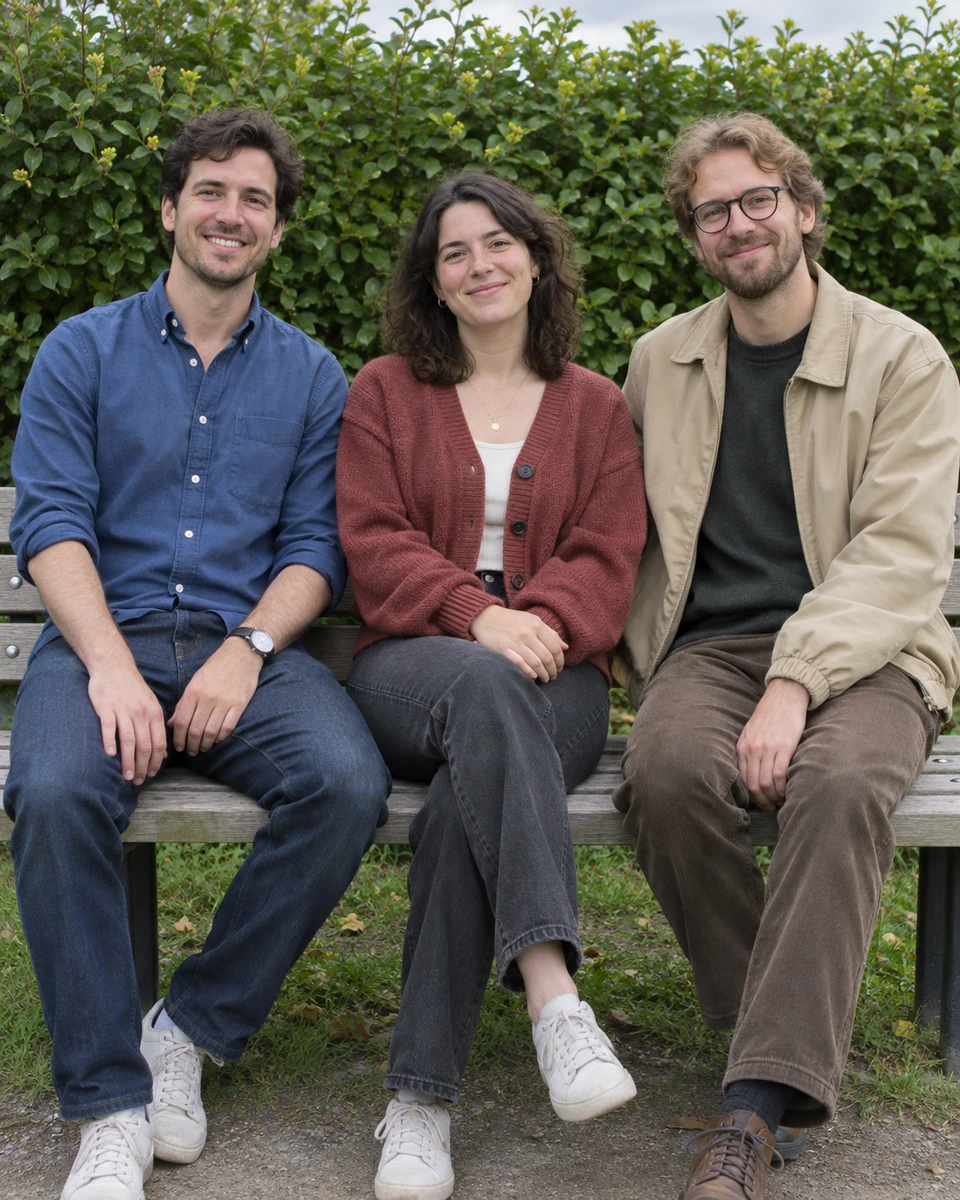
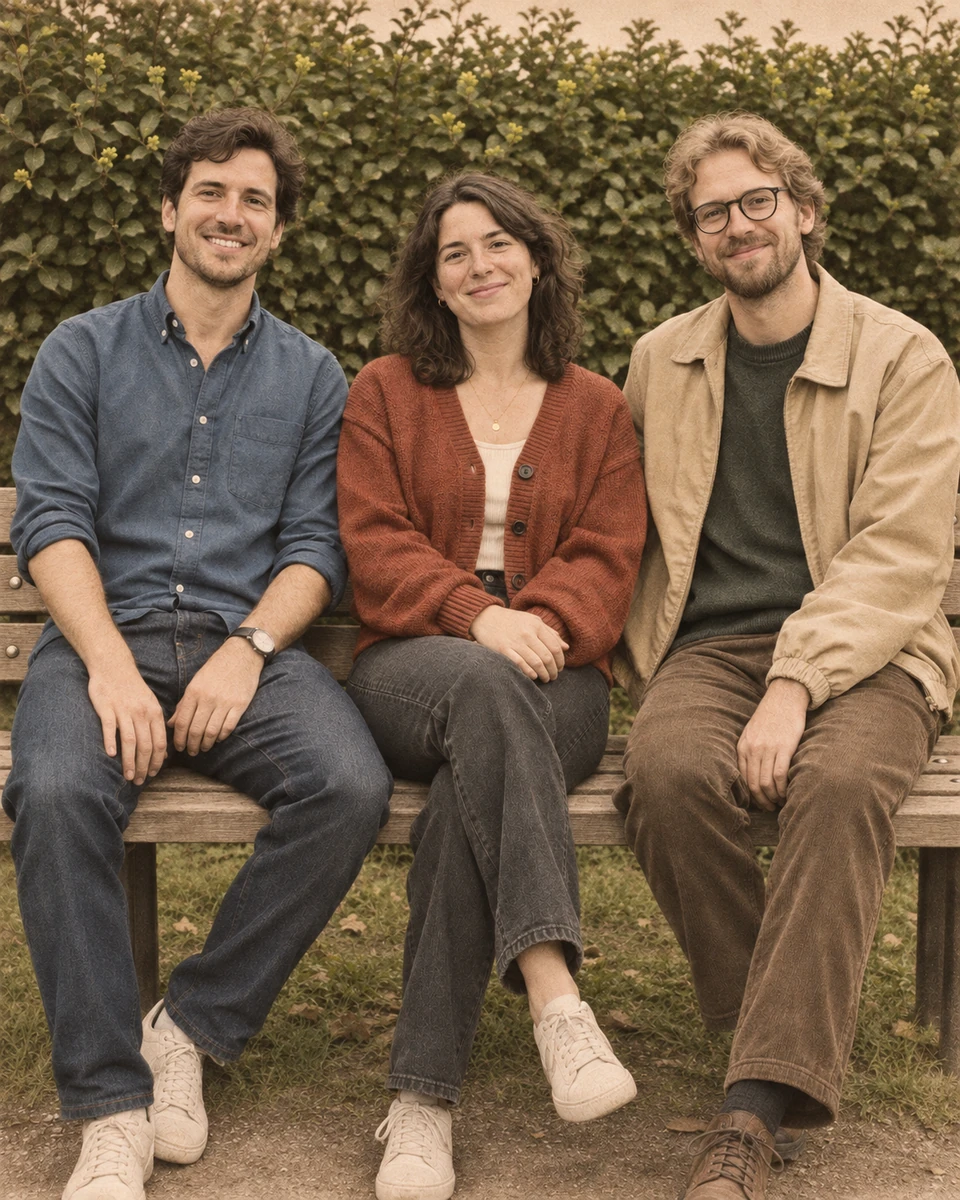
What does Hand Tinted Photo Memory do?
First preserve the monochrome tones of the photograph, then lightly apply a thin hand-tinted color to clothing and the face, with the color layer not fully covering the silver grains.
A monochrome photographic print selectively tinted with delicate hand-applied transparent color. Preserve the original photographic composition and all observed people; apply tint within broad source-derived color regions.
This method is adapted from acesjohnny's CC-BY-4.0-licensed instructions. Attribution, original source, and modifications are recorded in provenance.json; the complete upstream license and copyright notices are in LICENSE-THIRD-PARTY.txt.
Original attribution: Copyright (c) 2026 acesjohnny Adapted by MuziGeek from acesjohnny / GPT Image Style Atlas. Original style prompt licensed CC BY 4.0; modifications recorded below.
Input Analysis and Preservation
- Inspect the supplied image; request an image only when none is available. Never substitute a repository example for the user's input.
- Inspect the real subjects, identity, counts, attachments, overlaps, light and framing. Distinguish preserved attributes from explicitly permitted transformations using this Skill's preservation and geometry rules; sample descriptions are not facts about user input.
- Use an available reference-image editing tool. Combine the observed facts with the ordered mechanisms in recipe.yaml; its model-family label does not require an installation script.
- Keep the input ratio by default; change composition or geometry only as requested by the user and expressly permitted below. The recipe's 4:5 ratio is a catalog-sample default, not permission to crop protected subjects.
- Compare output with input and correct observed failures. Report only visual checks actually completed; stronger styling must not override identity or scene integrity.
Style Mechanism
- First preserve the monochrome tones of the photograph, then lightly apply a thin hand-tinted color to clothing and the face, with the color layer not fully covering the silver grains.
- Identifying features: monochrome photo base, thin transparent color, visible grain.
- Medium anchor: A monochrome photographic print selectively tinted with delicate hand-applied transparent color.
- medium — A monochrome photographic print selectively tinted with delicate hand-applied transparent color.
- composition — Preserve the original photographic composition and all observed people; apply tint within broad source-derived color regions.
- texture — Keep fine photographic grain visible beneath uneven translucent brush tint, with restrained edge feathering.
- palette — Use a warm monochrome base and subtle source-related color on skin, garments and a few meaningful objects.
- lighting — Retain the original photographic tonal modeling; the tint must not repaint anatomy or replace lighting.
- detail — Keep observed faces and hands photographically recognizable; add no scratches, damage, invented history or retro costumes.
- finish — Deliver one finished image at the input aspect ratio, without comparison panels, unrequested text, logos, signatures or watermarks.
Preservation Constraints
Apply these constraints to observed content; they never authorize inventing absent subjects.
- Preserve all observed people and photographic tones; add only thin selective tint without fabricated damage or historical context.
- Source subject count, recognizable identity, essential openings and connected anatomy.
- The complete main subject within the original frame and the intended relative placement of objects.
Applicability and Geometry
- Applies to: Group.
- Preserve all observed people and photographic tones; add only thin selective tint without fabricated damage or historical context.
- Structural changes not explicitly allowed above are outside this method. This is not permission to reproduce a named artist, brand or existing artwork.
Avoid
- Invented people, duplicate main subjects, extra limbs, disconnected anatomy or accidental clipping.
- Unrequested titles, logos, signatures, watermarks, fabricated labels or before-and-after panels.
- A generic filter without the requested medium-specific physical or optical mechanism.
Acceptance
- Keep fine photographic grain visible beneath uneven translucent brush tint, with restrained edge feathering.
- Preserve all observed people and photographic tones; add only thin selective tint without fabricated damage or historical context.
- The source subject remains legible with coherent connections and a visibly implemented medium-specific mechanism.
- One complete finished image without unrelated lettering, brands, signatures or watermarks.
Recipe, Provenance and License
- recipe.yaml: structured image-editing recipe.
- provenance.json: original authorship, method context and example status.
- LICENSE: MIT applies to MuziGeek's original contributions.
- LICENSE-THIRD-PARTY.txt: acesjohnny · CC-BY-4.0. Adapted material retains these terms and attribution.
- Example before/after images are AI-generated, not photographs of real people or evidence of physical craft production. Results vary by model and input.
- MIT grants no rights to user inputs, third-party works, likenesses or trademarks, and does not override generation-service terms; example terms are recorded separately in provenance.
Example Status
ready: the source and effect have recorded real generation and approved visual reviews. COS-hosted examples also retain upload readback receipts; their image bytes are not bundled. Ready does not mean the website is released; image links may return 404 until the public media allowlist is published.
| AI-generated Source | Approved Effect |
|---|---|